One local sod installer, not a list
Why it matters: your phone does not ring with five companies. We pass your request to one independent local sod installer.
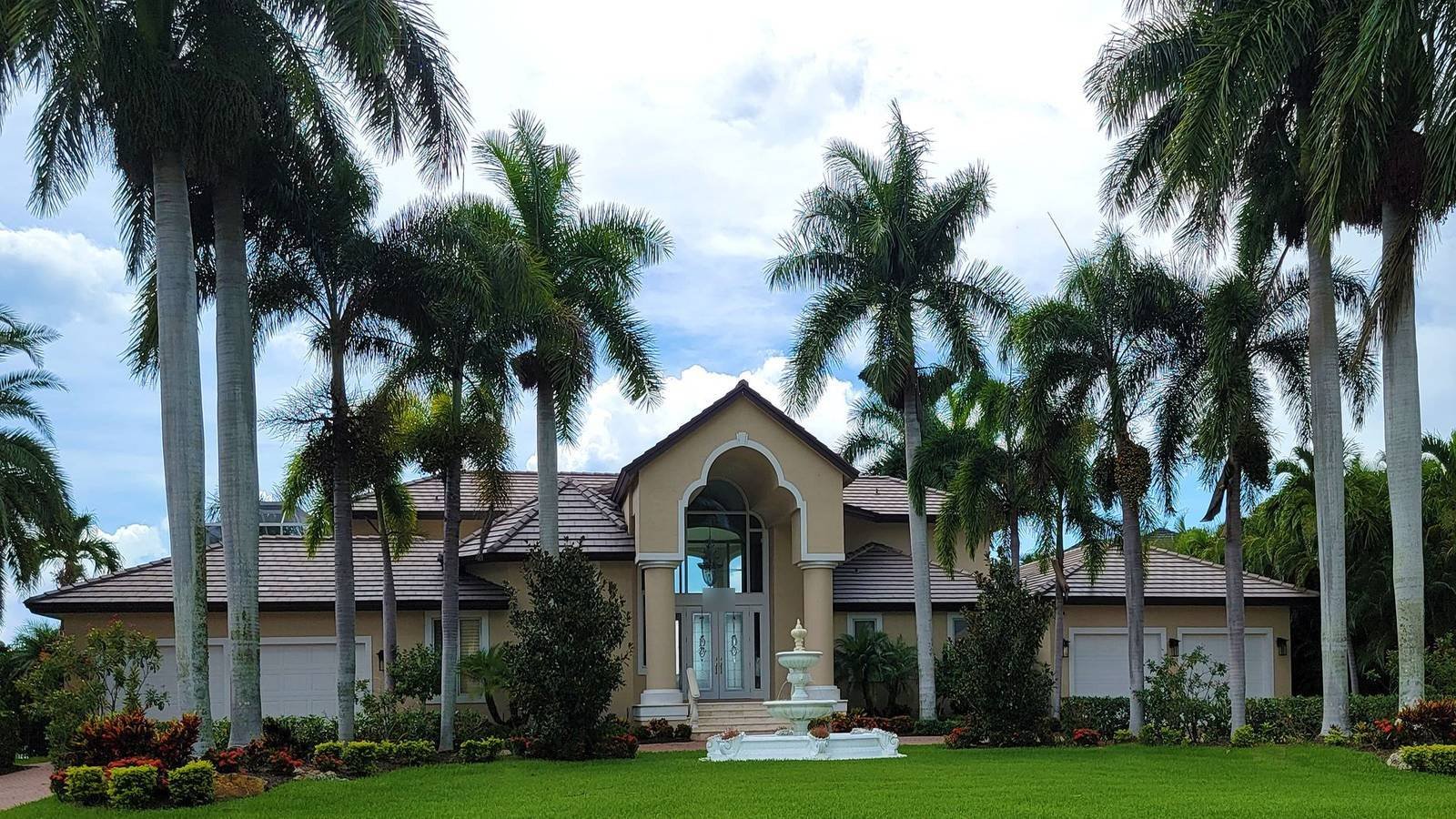
Fresh green sod, with a written 30-day rooting guarantee. *Terms below
No street address needed.
Here is what sending it gets you, worth having even if you never send the form.
Why it matters: your phone does not ring with five companies. We pass your request to one independent local sod installer.
Why it matters: the installer knows from the start whether it is a whole yard and whether the old grass comes out, so the first conversation is about your lawn.
Why it matters: Ask them of whoever you hire, before anyone lays sod in your yard.
Why it matters: tear-out, grading and the grass you pick are priced separately, so they are where two estimates for the same yard can differ.
Free to send. Nothing to sign.
You have seen it on your own street. A new lawn goes down green from edge to edge. A few months later there are brown seams, a dead corner by the driveway and weeds coming up through the gaps.
University of Florida lawn specialists put it plainly: without the right ground preparation and care afterwards, new sod can die almost as easily as any new planting. Here is where it goes wrong.
Roots need soil. UF/IFAS advises removing as much of the dead grass as possible before planting, so the new roots touch the ground. Laid over the old lawn, the new roots meet dead grass first.
Most Florida soils are sand with little organic matter, and yards around newer homes are often packed hard by construction traffic. UF/IFAS says plant roots may not be able to penetrate a compacted soil layer. The yard should also slope away from the house, about a half foot to a foot of fall every 50 feet.
Cut sod is alive and it does not keep. In summer, UF/IFAS puts its life on the pallet at under two days. Sod that arrives before the ground is ready is already losing.
New sod has almost no roots. UF/IFAS describes several short waterings a day for the first week to ten days, then once a day for about as long, then two or three times a week. It should be rooted in three to four weeks. Miss that first stretch and it dries out before it roots.
Floratam, the most widely used St. Augustine in Florida, does not persist well with less than six hours of sun a day. Put it under an oak and it thins, whoever lays it.
Two questions, ZIP and number.
Use these to check the work while it happens.
Old grass stripped out to sand. It should then be graded and raked smooth, with sod delivered once the ground is ready.
Pieces butted tight, no soil showing between them. Joints should be staggered like brickwork.
St. Augustine thick from edge to edge.
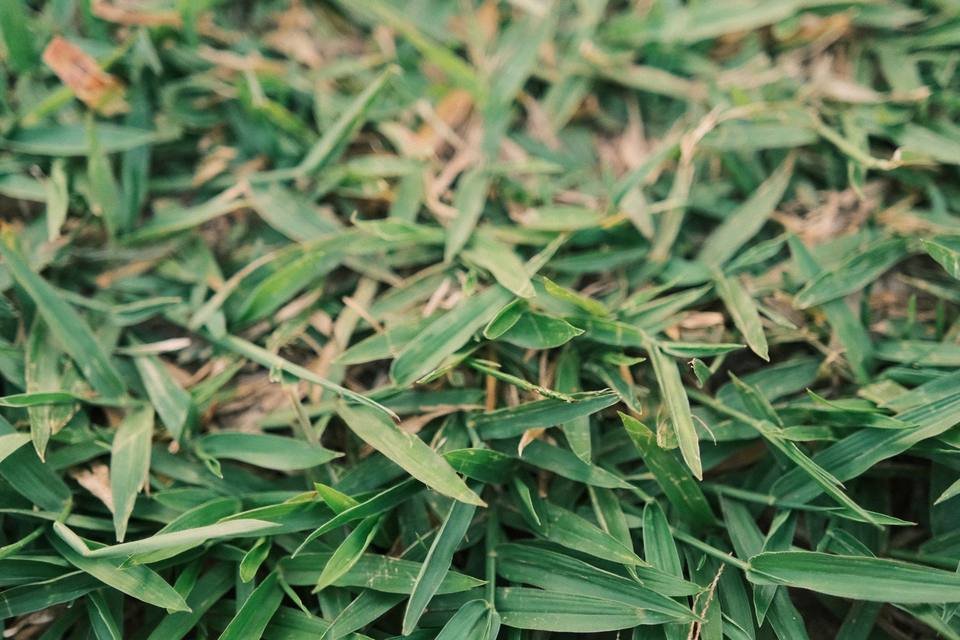
This is how UF/IFAS lays out replacing a Florida lawn.
These describe the grass, not any installer. Sun, shade and how the yard gets used usually decide it.
The most common lawn grass in Florida. Floratam, the St. Augustine most widely used, is coarse and dark green and grows fast in spring and summer. It wants six or more hours of sun, and chinch bugs are now a major pest of it. Some St. Augustine types handle shade better.
Ask about St. Augustine →A dense lawn that crowds out weeds when it is well kept, with good tolerance of shade, salt and foot traffic. Its care is different from other Florida grasses, so ask how to look after it before you choose it.
Ask about zoysia →A low-upkeep grass with a deep root system that copes with poor, sandy soil and little water, and a good choice for large lots. It is not a carpet: it grows more open, sends up seed heads in summer and turns brown in long dry spells until it gets water again.
Ask about bahia →Whole lawns, front or back. We pass each request to one independent local sod installer.
The whole front lawn, from the curb to the house, replaced in one go.
Start my front-yard request →A back lawn worn out by dogs, kids or shade.
Start my back-yard request →A dead or weed-choked lawn taken up and replaced with new sod.
Start my tear-out request →A new-build lot, or a yard that is already down to dirt.
Start my bare-ground request →From UF/IFAS:
Homes in the Tampa Bay area, including:
The form takes ZIP codes starting 335, 336, 337 or 346.
Ask for the price in writing, with the tear-out, grading and grass named, before any work starts.
Ask these before anyone lays sod in your yard, whoever you hire.
If it was shade, water or mowing, new sod goes the same way unless that changes.
Local price guides list removal as its own line.
Ask about the slope away from the house, and whether the soil is tested and loosened first.
In summer it keeps under two days on the pallet. The ground should be ready before it arrives.
Hours of sun, shade from trees and how the yard gets used should all come into the answer.
New sod needs frequent short waterings at first, tapering off over several weeks.
It should name the square footage, the grass and its variety, removal of the old lawn, any grading or soil work, and a start date.
UF/IFAS advises that in central and north Florida, you should try to avoid establishment during cold winter or hot, dry summer months, and that any warm-season grass roots fastest while it is actively growing. It also advises waiting if a freeze is forecast.
Yes, as long as the dirt is prepared. UF/IFAS says to clear old grass, weeds, roots and rocks, loosen and rake the soil smooth, and have it moist when the sod goes down. Hard ground is the problem. Its quick test: push a screwdriver into moist soil. If it will not go 6 inches without real force, compaction will likely hold the roots back.
The size of the lawn, the grass you choose, whether the old lawn is torn out, and how much grading or soil work the yard needs. Local price guides list tear-out and grading as separate lines. Ask for a written estimate that names each one.
No. We pass your request to one independent local sod installer, not a list of competing companies.
No. It costs nothing to send, and sending it agrees to no work. The installer gives a free on-site estimate.
An independent local sod installer. Ask for the business name when you talk, and ask for the scope and price in writing.
This page is for replacing lawns: a whole front or back yard, or most of one. If yours is smaller, pick the smallest size. It goes with your request so the installer knows the job.
Reply STOP to any text, or email the address at the bottom of this page. We stop contacting that number, and we pass your STOP to the installer.
Two questions about the lawn, then your ZIP, first name and phone. Free to send, nothing to sign.
*Terms. We pass your request to one independent local sod installer. The installer's guarantee, in writing: sod that fails to root within 30 days of installation is replaced at no charge if you follow their watering schedule. We pass requests only to an installer who gives it. Ask to see it first.